
"Costa Rican brewing"
400 article(s) found

Introduction of Costa Rican coffee boutique coffee beans
Costa Rican coffee (Costarica Coffee): Costa Rican coffee is produced in the Republic of Costa Rica (The Republic of Coffee) in the southern part of Central America. Its coffee quality is similar to Colombian coffee and is suitable for blending mixed coffee. The coffee beans produced at high latitudes in Costa Rica are famous in the world, full-bodied, mild in taste, but extremely sour.

Description of flavor of Costa Rican coffee bean black honey introduction to the taste of grinding scale varieties
How does Costa Rican coffee bean black honey brew flavor description grinding scale varieties taste introduction Costa Rican boutique coffee only began to come to the fore in the past decade. Although Costa Rica introduced coffee from Cuba as early as 1729 and carried out commercial cultivation, it made great efforts to develop the coffee bean industry. But it is mainly the production and distribution of comprehensive coffee beans and Italian commercial beans.

Costa Rican Black Honey Coffee recommends Costa Rican Faramy Manor-Tara Zhukaduai
Professional coffee knowledge exchange more coffee bean information please follow the coffee workshop (Wechat official account cafe_style) Costa Rica black honey what taste black honey coffee how to brew yellow honey, red honey, black honey treated coffee (from left to right) which is better? It may be that black honey is better, and the flavor of honey treatment will bring a more fine and deep shadow because of the residual sugar in the pectin layer.

Costa Rica San Román Coffee Brand What are the steps to brewing Costa Rica coffee
Coffee cultivation in Costa Rica was introduced from Cuba in 1779 and exported for the first time only in 1820. There are about 32,000 coffee farmers, with an average planting area of less than one hectare (10,000㎡) per farmer. Costa Rica has a population of 4.1 million (2006) and coffee cultivation area of 82,500 km
The difference between Costa Rican black honey and red honey and yellow honey hand-washed Costa Rican Tara beads black honey
Professional coffee knowledge exchange more coffee bean information please follow the coffee workshop (Wechat official account cafe_style) Costa Rica black honey what taste black honey coffee how to brew yellow honey, red honey, black honey treatment, where is the difference? When you want to buy honey-treated coffee, you usually have the choice of yellow honey, red honey and black honey. You may have heard of these honey treatments to keep the fruit separately.
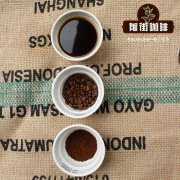
Costa Rican Coffee Costa Rica Rose Summer Coffee sharing of hand-brewing methods and skills
Professional coffee knowledge exchange more information about coffee beans Please follow the coffee workshop (Wechat official account cafe_style) the famous Panamanian summer actually comes from Costa Rica. In the 1930s, rose summer seeds spread from Ethiopia and finally to Tanzania. In 1953, the Costa Rican research institute CATIE obtained some rose summer seeds from Tanzania for research. one hundred and ninety six

Costa Rican goddess black honey coffee brewing analysis _ Sila goddess coffee bean cup flavor test
Professional coffee knowledge exchange more coffee bean information Please pay attention to the coffee workshop (Wechat official account cafe_style) the pleasant grapes like the goddess Silas after the last cup test experience, the understanding of coffee beans has been further deepened, after all, I have chosen what everyone thinks is the best two beans for the first time, which gives me a lot of confidence. So I'm going to continue to do it for you, Jane.

Costa Rican Coffee Manor introduces Costa Rican Coffee Flavor characteristics Goddess Manor
The coffee trees planted in Costa Rica are all Arabica coffee trees. through improvement, the quality of coffee beans is better and more stable. in order to facilitate picking, coffee trees are kept at a height of about 2 meters through continuous pruning. The coffee that people eat is the taste of the seeds in the fruit that are brewed in water. After picking raw coffee beans, the peel, pulp, seed film and sun exposure must be removed.

Costa Rican Coffee characteristic Pilon processing Plant Costa Rican boutique coffee manor
Professional coffee knowledge exchange more coffee bean information Pilong processing plant is Costa Rica, the first government-approved all-day sun treatment plant, a very rare natural sun treatment, this batch of coffee shows strong nutty chocolate and tropical honey apple aromas, showing an excellent natural flavor. Costa Rica has always regarded him as
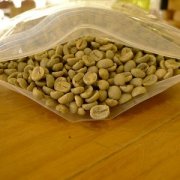
Tarasu coffee beans from Central America and Costa Rica, one of the major coffee producers in the world.
Costa Rican Coffee (Costarica Coffee): Costa Rican coffee is produced in the Republic of Costa Rica (The Republic of Coffee) in southern Central America. Its coffee quality is similar to Colombian coffee and is suitable for blending mixed coffee. The coffee beans produced in the high latitudes of Costa Rica are famous, rich and flavored in the world.

Costa Rican Coffee Taste introduction to Costa Rican Black Soul Flavor
Professional coffee knowledge exchange more coffee bean information please follow the coffee workshop (Wechat official account cafe_style) front street coffee introduction-Costa Rica coffee flavor Costa Rica is the first country where coffee was introduced to Central America, with a long history, coffee organization from production to marketing system is complete. Because it is located in the Central American Gap, the territory is full of volcanoes and has the nature of sunshine and land.

Characteristics of Costa Rican Bach Flavor and explanation of Costa Rican raisin processing course
The fruit that makes raisins must be ripe. The water content in raisins is only 15-25%, and the content of fructose is as high as 60%. So it's very sweet. As a result, raisins can be preserved for a long time, and the fructose in the raisins may crystallize after a long time, but this does not affect their consumption. Raisins can be eaten directly as a snack or placed in pastries, cooking dried grapes in some places

The most comprehensive quotation for Costa Rican coffee beans
If you make it, it should be instant coffee. I haven't seen Costa Rican instant coffee yet. It's usually coffee beans and powder. The way to make coffee if you want to make your own cup of coffee, you first need to buy the right brewing equipment, and use a filter coffee maker or funnel, a steam straw coffee maker or a squeeze coffee machine, or even use the so-called traditional coffee maker.

Costa Rican Coffee Manor introduces the characteristics of Costa Rican Coffee in Goddess Manor
All the coffee trees planted in Costa Rica are Arabica coffee trees. through improvement, the quality of coffee beans is better and more stable. in order to facilitate picking, coffee trees are kept at a height of about 2 meters through continuous pruning. The coffee that people eat is the taste of the seeds in the fruit that are brewed in water. After picking raw coffee beans, the peel, pulp, seed film and sun exposure must be removed.

The unique strong flavor of Costa Rican coffee introduces the Costa Rican coffee producing area.
All the coffee trees planted in Costa Rica are Arabica coffee trees. through improvement, the quality of coffee beans is better and more stable. in order to facilitate picking, coffee trees are kept at a height of about 2 meters through continuous pruning. The coffee that people eat is the taste of the seeds in the fruit that are brewed in water. After picking raw coffee beans, the peel, pulp, seed film and sun exposure must be removed.

Introduction of Costa Rican coffee with ideal acidity and unique strong aroma
The research center, about 30 kilometers northeast of San Jose, the capital of Costa Rica, belongs to the Costa Rican Coffee Association and is the research institution for planting, breeding and quality inspection of the newly developed villa sarchi species of Costa Rican coffee. In addition, it also has 10 hectares of experimental plots, planting a number of excellent varieties. Coffee is the main agricultural product of Costa Rica.

Costa Rican Coffee producing country introduces Costa Rican Coffee Manor producing area
All the coffee trees planted in Costa Rica are Arabica coffee trees. through improvement, the quality of coffee beans is better and more stable. in order to facilitate picking, coffee trees are kept at a height of about 2 meters through continuous pruning. The coffee that people eat is the taste of the seeds in the fruit that are brewed in water. After picking raw coffee beans, the peel, pulp, seed film and sun exposure must be removed.

Costa Rican Red Honey Tobes hand-brewed Coffee parameters introduction to the Tobosi of Tobes Manor
Professional coffee knowledge exchange more coffee bean information please follow the coffee workshop (Wechat official account cafe_style) Costa Rica Tobushi garden red honey treatment method hand flushing temperature, grindness, powder than recommended hand flushing Costa Rican red honey. 15g powder, medium fineness grinding (sugar size), v60 filter cup, 90 degrees water temperature, 30g water injection for the first time, steaming for 30 seconds, injection

What are the brewing steps of Costa Rican black honey coffee brands?
Communication of professional baristas Please pay attention to Coffee Workshop (Wechat official account cafe_style) although Costa Rica has won the recognition of coffee lovers through honey-treated coffee beans, it is also closely related to Costa Rica's superior geographical and climatic conditions, and the choice of Arabica species for all the coffee varieties grown. Costa Rica's high-quality coffee beans are called SHB.

Costa Leoncio Manor White Honey hand drink good? Leonardo Manor Coffee Brewing record
Professional coffee knowledge exchange more coffee bean information Please pay attention to the coffee workshop (Wechat official account cafe_style) Costa Rican coffee beans are mostly treated with honey, so if you want to drink better honey to handle coffee beans, you might as well try Costa Rican beans. This bean is from Leonardo Manor in the western valley of Costa Rica, which is a small coffee processing.